
The Idea Factory
“Filled with colorful characters and inspiring lessons . . . The Idea Factory explores one of the most critical issues of our time: What causes innovation?” —Walter Isaacson, The New York Times Book Review
ORDER FROM
Amazon | Barnes & Noble | Bookshop
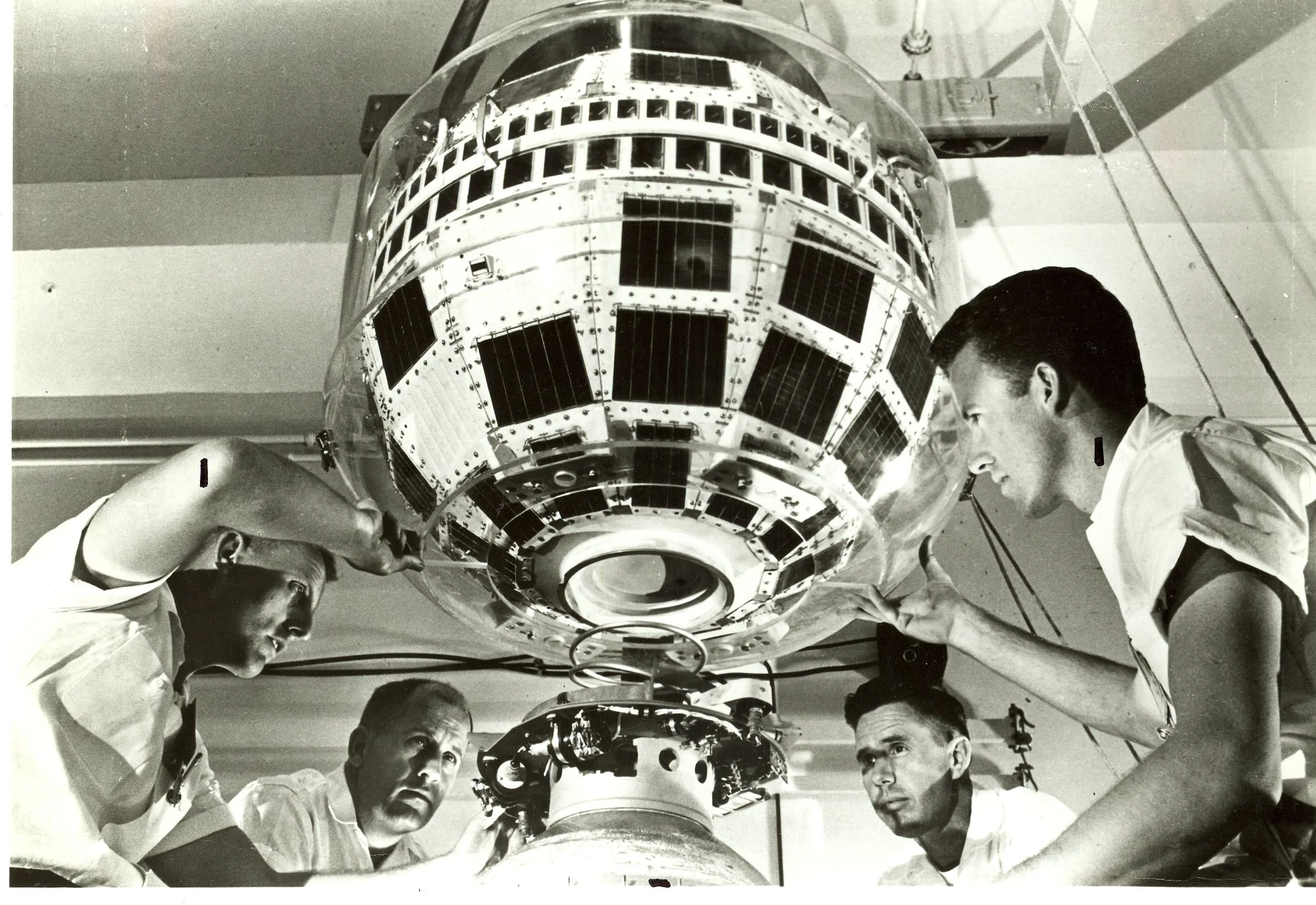
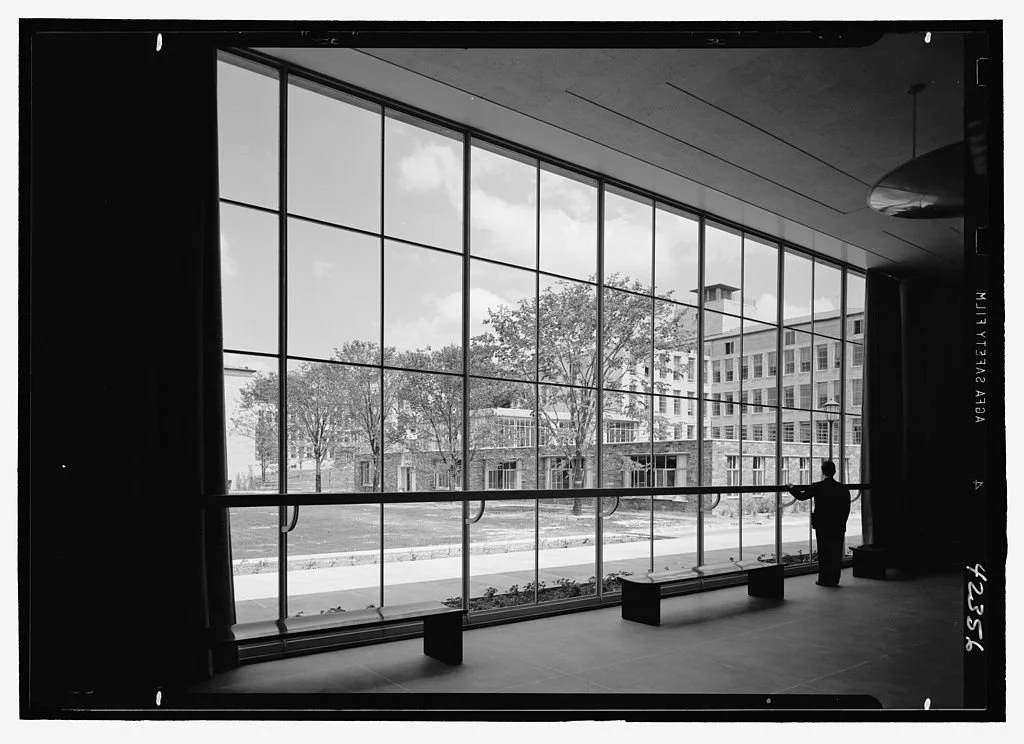
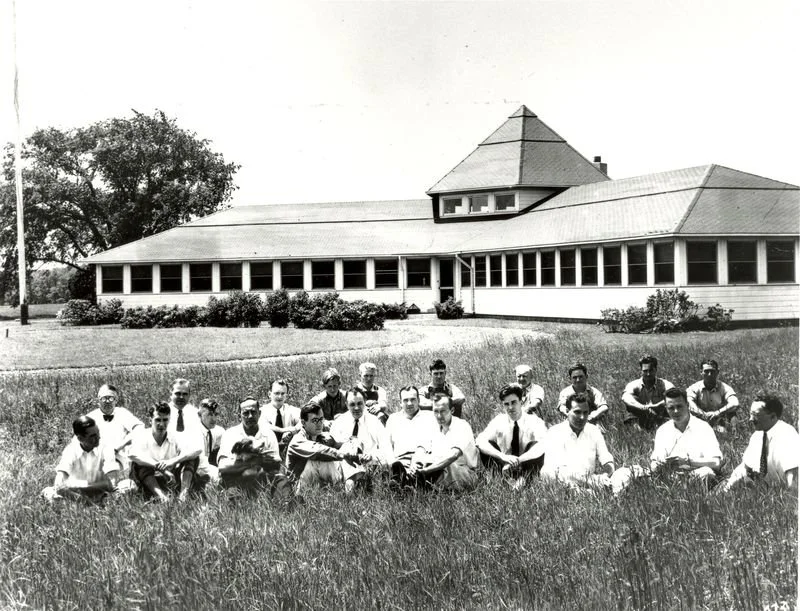
From its beginnings in the 1920s until its demise in the 1980s, Bell Labs-officially, the research and development wing of AT&T-was the biggest, and arguably the best, laboratory for new ideas in the world. From the transistor to the laser, from digital communications to cellular telephony, it's hard to find an aspect of modern life that hasn't been touched by Bell Labs. In The Idea Factory, Jon Gertner traces the origins of some of the twentieth century's most important inventions and delivers a riveting and heretofore untold chapter of American history. At its heart this is a story about the life and work of a small group of brilliant and eccentric men-Mervin Kelly, Bill Shockley, Claude Shannon, John Pierce, and Bill Baker-who spent their careers at Bell Labs. Today, when the drive to invent has become a mantra, Bell Labs offers us a way to enrich our understanding of the challenges and solutions to technological innovation. Here, after all, was where the foundational ideas on the management of innovation were born.

“Riveting . . . Mr. Gertner’s portraits of Kelly and the cadre of talented scientists who worked at Bell Labs are animated by a journalistic ability to make their discoveries and inventions utterly comprehensible—indeed, thrilling—to the lay reader. And they showcase, too, his novelistic sense of character and intuitive understanding of the odd ways in which clashing or compatible personalities can combine to foster intensely creative collaborations.” —Michiko Kakutani, The New York Times
“A breathtaking history . . . One of the best innovation-focused books I’ve read: It’s a wide-ranging, detailed, and deeply fascinating look at the New Jersey lab which has been churning out useful discoveries since the early 1900s.” —Joshua Rothman, The Boston Globe
“A wonderful history of the most influential corporate-research lab the world has seen. . . Gertner does a super job of making complex science intelligible to the lay reader. He frequently evokes a sense of awe at how this army of scientists made a reality of what even for them was often unthinkable.”
—The Economist
“Fascinating history . . . The research behind The Idea Factory is astonishing.” —Slate
“A paean to the unheralded men behind the bygone age of innovation.” —The Washington Post
“A lively account of the minds behind Bell Labs, then the research and development wing of AT&T, and how the scientists created the network of copper cables, microwave links, and glass fibers that made the company’s dream of ‘universal’ connectivity a reality.” —Scientific American
“Assured, hugely enjoyable . . . on these pages Gertner makes the science engage, the politics bruise, the treachery shock, the failures sting. He is a gifted translator of the research; he wields a novelist’s touch with character.” —The Cleveland Plain Dealer
“Compelling . . . Gertner’s book offers fascinating evidence for those seeking to understand how a society should best invest its research resources.” –Bob Metcalfe, The Wall Street Journal
“Gertner provides a view of American research and development that will take engineers, scientists, and managers back to the golden age of invention in the U.S. . . . Gertner follows these odd and brilliant thinkers to the end of Bell Labs in the 1980s and to their own ends, providing readers with insight into management, creativity, and engineering that remain applicable today.” —Publisher’s Weekly
“Gertner reveals the complicated humanity at work behind the scenes and provides unprecedented insight on some of history’s most important scientific and technological advances. Packed with anecdotes and trivia and written in clear and compelling prose, this story of a cutting-edge and astonishing robust intellectual era—and one not without its controversies and treachery—is immensely enjoyable.” —Kirkus Reviews